

The best types of wood used in designer desks are solid hardwoods, specifically walnut, oak, cherry, and maple, chosen for their durability, grain beauty, and long service life. In furniture design, these species fall under the category of “furniture-grade hardwoods,” a standard that separates them from construction lumber by density, workability, and visual character. Solid hardwood furniture lasts 30 to 100+ years with proper care, compared to 10–25 years for veneer and just 5–15 years for MDF or particleboard. That gap in lifespan is the single strongest argument for choosing real wood in a designer desk. The Alto Home builds its Gramercy and Tribeca desks around this principle, pairing quality hardwoods with finishes that hold up to daily use while looking better with age.
1. What makes hardwood the standard for designer desk materials?
Hardwood is defined by its density and closed grain structure, which resist dents, scratches, and moisture better than softwoods like pine or cedar. Solid wood desks carry weight without sagging and can be refinished decades later, unlike veneer or laminate options. That repairability is what separates a hardwood desk from a disposable one. A surface scratch on oak or maple disappears with light sanding and a fresh coat of finish. The same scratch on a laminate desktop is permanent.
Hardwoods also age with character. Grain patterns deepen, colors shift, and the surface develops a patina that makes each desk unique over time. That visual evolution is a feature, not a flaw.
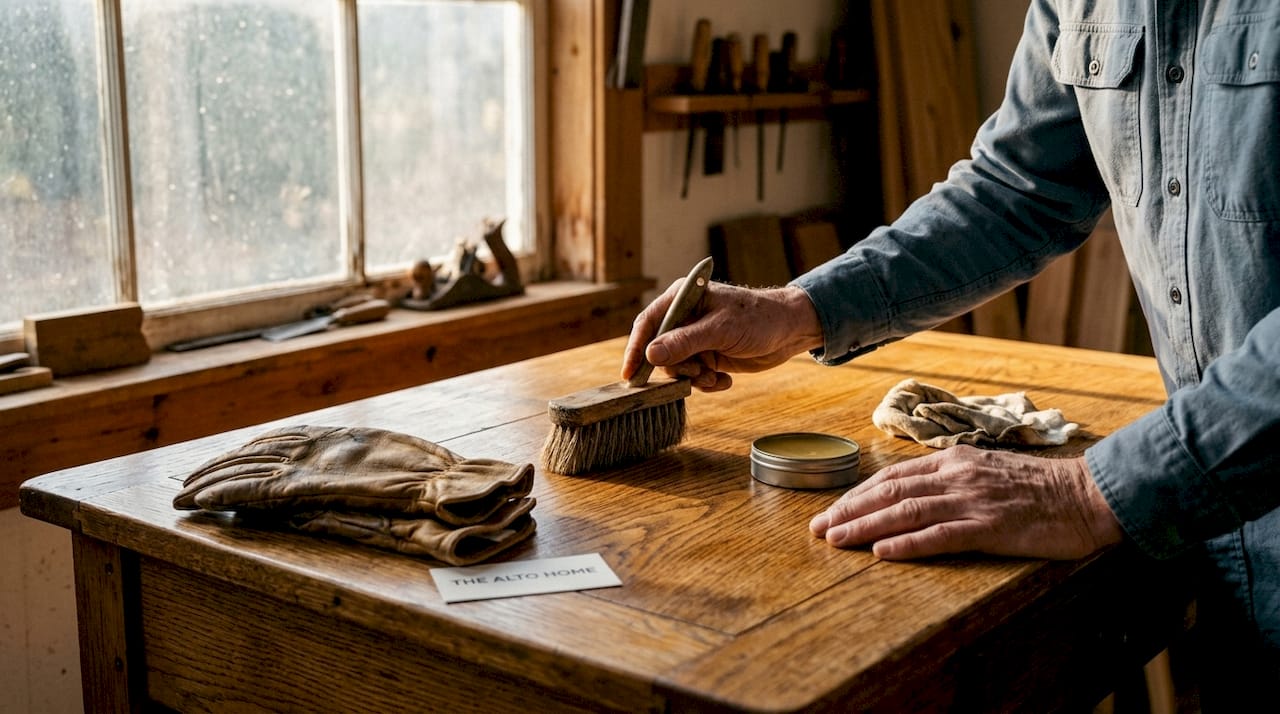
2. Walnut: the executive wood with rich, lasting color
Walnut is the most recognized luxury wood type in high-end desk design. Walnut is favored for executive desks for its rich chocolate-brown tones and can be refinished to age gracefully. Its straight, open grain photographs beautifully and pairs with both dark and light interiors. The one trade-off is softness relative to oak or maple. Walnut scores lower on the Janka hardness scale, which means it shows wear faster in high-traffic environments.
For a home office desk used primarily for computer work, walnut’s softness is rarely a problem. For a desk that doubles as a craft table or sees heavy daily contact, a harder species makes more sense. Walnut’s grain and color evolution make it a long-term visual investment that rewards careful use.
Pro Tip: Apply a hard wax oil finish to walnut rather than a film-forming polyurethane. It penetrates the grain, feeds the wood, and is far easier to spot-repair without refinishing the entire surface.
3. Oak: the most durable hardwood option for desks
Oak is the workhorse of designer desk materials. Janka hardness ratings indicate oak offers higher scratch resistance and durability than softer woods like walnut or cherry, which directly affects desk longevity and maintenance frequency. White oak and red oak behave differently in a desk context. White oak has a tighter grain and a cooler, more contemporary tone that suits modern interiors. Red oak runs warmer with a more pronounced grain pattern that reads as traditional.
White oak is the most versatile wood for modern designers due to its warm yet contemporary look. It accepts stains evenly, holds finishes well, and resists moisture better than red oak because of its closed tyloses structure. For a home office desk expected to last a generation, white oak is the most practical choice among the classic hardwood options.
4. Cherry: the wood that gets better with age
Cherry is the only common furniture hardwood that changes color dramatically after installation. Cherry wood naturally oxidizes over time from pink to deep reddish-brown, adding a desirable patina that should be factored into room color planning. A cherry desk purchased today will look noticeably different in two years, and significantly richer in ten. That transformation is what makes cherry a long-term design choice rather than a short-term aesthetic decision.
Cherry is moderately hard, sitting between walnut and oak on the Janka scale. It machines cleanly and takes oil finishes exceptionally well. The main planning consideration is light exposure. Sunlight accelerates cherry’s oxidation, which can create uneven color if part of the desk is shaded by a monitor or lamp for years. Rotating accessories occasionally keeps the patina even.
5. Maple: the hardest and most uniform of the classic four
Maple is the hardest of the four traditional furniture-grade hardwoods and the most resistant to surface damage. Its tight, pale grain creates a clean, minimal look that suits Scandinavian and contemporary interiors. Hard maple is the same species used for bowling alleys and butcher blocks, which tells you everything about its wear resistance. For a desk in a family home or a shared workspace, maple handles abuse better than any other domestic hardwood.
The visual trade-off is uniformity. Maple lacks the dramatic grain movement of walnut or the color evolution of cherry. It reads as calm and neutral, which is an asset in busy, visually active rooms. Figured maple, including bird’s eye and curly varieties, adds visual interest while keeping the hardness advantage.
6. Exotic and alternative woods for bold desk aesthetics
Exotic hardwoods occupy a specific role in designer desk construction. Exotic woods like ziricote and wenge provide unique visual patterns and durability but are typically used as accents due to higher cost and rarity. Ziricote produces a spider-web grain figure unlike anything in domestic species. Wenge delivers near-black tones with a coarse, open grain that reads as architectural rather than decorative.
Using exotic species as full desktops is possible but expensive. The more practical application is as inlays, edge banding, or leg accents on a domestic hardwood base. This approach captures the visual impact of exotic wood without the full material cost or the sourcing complexity that comes with rare species.
| Wood type | Visual character | Best use case |
|---|---|---|
| Ziricote | Spider-web grain, dark brown | Accent panels, inlays |
| Wenge | Near-black, coarse grain | Edge details, legs |
| White oak | Warm gray-brown, tight grain | Full desktop, modern offices |
| Walnut | Chocolate brown, open grain | Executive desktops |
| Hard maple | Pale, uniform, minimal grain | High-traffic or family desks |
7. Engineered wood options: veneers, quarter-sawn boards, and butcher block
Not every designer desk needs to be solid wood throughout. Engineered approaches solve specific problems that solid wood cannot. Quarter-sawn lumber with vertical growth rings offers superior stability and resists cupping compared to plain-sawn boards, prolonging desk lifespan and reducing warping. Quarter-sawing is a milling technique, not a different species. Any hardwood can be quarter-sawn, and the result is a board that moves less with seasonal humidity changes.
Butcher block tops, typically made from end-grain or edge-grain maple, offer a thick, tactile surface with excellent durability. They require periodic oiling but develop a working patina that many designers find appealing. Veneers applied over a stable substrate like MDF or plywood deliver the look of rare wood at a fraction of the cost, though they cannot be refinished as aggressively as solid wood. For a luxury home office desk, the choice between solid and engineered often comes down to budget and how much refinishing flexibility matters over a 20-year horizon.
Pro Tip: When evaluating a veneer desk, check the veneer thickness. Thicker veneers (1.5mm or more) can be lightly sanded and refinished once or twice. Paper-thin veneers cannot.
8. How wood movement and moisture content affect desk durability
Wood moves. Every species expands and contracts with changes in humidity, and ignoring this fact produces desks that warp, crack, or develop gaps within a few years. The moisture content of lumber for indoor desks should be maintained at 6–8% to minimize warping and cracking after installation. Lumber that arrives at a workshop above this range needs time to acclimate before it becomes a desktop.
Proper wood desk care and maintenance starts with controlling the environment. A humidifier in winter and air conditioning in summer keep indoor humidity stable, which is the single most effective way to prevent wood movement problems. Placing a solid wood desk directly over a heating vent or in front of a west-facing window creates the worst possible conditions for long-term stability.
Quarter-sawn boards help here as well. Their vertical grain orientation means they move primarily in thickness rather than width, which keeps a desktop flat even as humidity fluctuates. For wide desktops, this is a meaningful structural advantage over plain-sawn alternatives.
9. How to choose the right wood for your home office
Matching wood to your specific office environment requires thinking about light, use intensity, and room color simultaneously. Dark rooms benefit from lighter woods like maple or natural oak, which reflect more light and keep the space from feeling heavy. Bright, south-facing offices can handle the deeper tones of walnut or wenge without losing warmth.
Use intensity matters as much as aesthetics. Consider these factors before committing to a species:
- Daily contact surface: High-contact desks need oak or maple. Walnut and cherry suit lighter use.
- Refinishing expectations: Plan to refinish every 5–10 years for solid wood. Veneer tops allow one or two light refinishes at most.
- Room color palette: Cherry’s evolving reddish-brown clashes with cool gray interiors over time. Walnut and white oak are more palette-neutral.
- Budget: Domestic hardwoods cost less than exotics. Engineered options cost less than solid wood but sacrifice repairability.
- Humidity control: Homes without climate control need more stable species or quarter-sawn cuts to prevent warping.
For guidance on choosing durable office desks that hold up in demanding environments, the species decision is only part of the equation. Construction method, joinery, and finish type all contribute to how long a desk performs at its best.
Key takeaways
The best wood for a designer desk is the one that matches your use intensity, room environment, and long-term maintenance commitment, with solid hardwoods delivering the strongest return on investment over decades.
| Point | Details |
|---|---|
| Solid hardwood lifespan | Solid hardwood desks last 30–100+ years, far outlasting veneer or MDF alternatives. |
| Hardness determines durability | Oak and maple resist scratches better than walnut or cherry, suiting high-traffic desks. |
| Cherry evolves visually | Cherry oxidizes from pink to deep reddish-brown over years, requiring color planning upfront. |
| Moisture content is critical | Lumber at 6–8% MC prevents warping and cracking in indoor desk applications. |
| Quarter-sawn adds stability | Vertical grain orientation in quarter-sawn boards reduces cupping and seasonal movement. |
Why I think most people overthink the exotic wood question
People spend weeks researching ziricote and wenge, then buy a desk they never actually touch because they’re afraid of damaging it. I’ve seen this pattern repeatedly. The most beautiful desk is the one you use without anxiety, and that usually means a domestic hardwood with a finish you can repair yourself.
Walnut gets the most attention, and it deserves some of it. But white oak is the wood I’d recommend to almost anyone setting up a serious home office. It’s harder, more stable, takes a wider range of finishes, and ages without the drama of cherry’s color shift. The grain is interesting without being distracting. It photographs well in any light. And if you scratch it, a light sand and a wipe of oil brings it back.
The other misconception I encounter constantly is that veneers are always inferior. A thick veneer over a quality plywood substrate is genuinely stable, and in wide-format desktops, it often outperforms solid wood in resisting seasonal movement. The limitation is refinishing depth, not daily performance. Know what you’re buying and why, and a veneer desk can serve you well for 15–20 years.
Grain pattern and color evolution matter greatly for workspace ambiance. Cherry’s aging patina and walnut’s rich grain add long-term visual interest that flat-painted or laminate surfaces simply cannot replicate. That intangible quality is worth paying for if you spend serious hours at your desk every day.
— Kevin O’Gara
The Alto Home’s wood standing desks, built for real use
The Alto Home applies these same material principles to its standing desk collection, pairing quality hardwoods with construction methods that hold up to daily height adjustments and long work sessions.
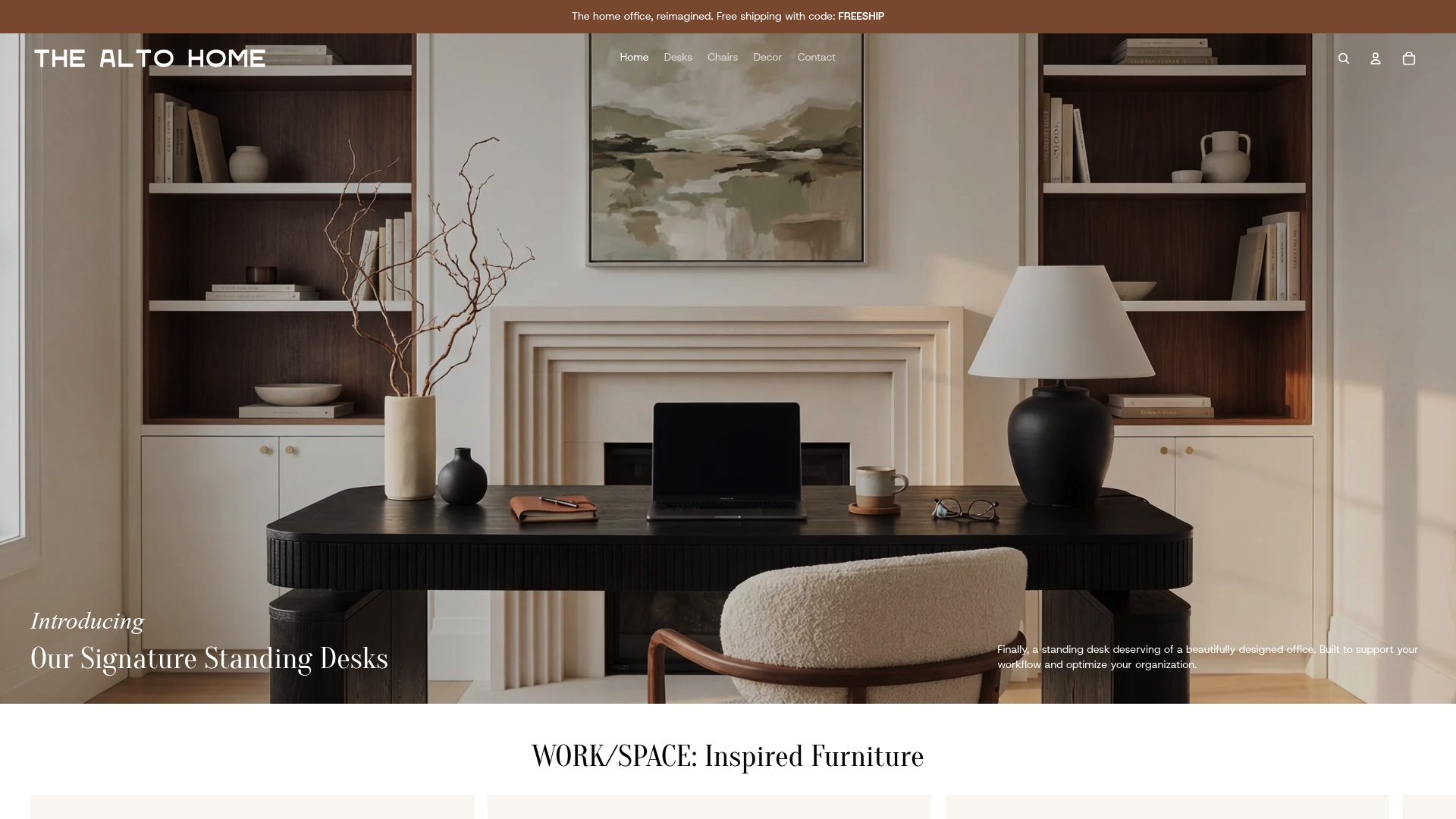
The Gramercy Fluted Wood Standing Desk and the Tribeca Mid-Century Wood Standing Desk each bring distinct wood aesthetics to a functional standing frame, so you get the visual character of a designer piece with the ergonomic benefit of adjustable height. The Greenwich Rotating Wood Standing Desk adds a rotating top for flexible workspace configuration. For buyers who want to see the full range of hardwood standing desks in one place, The Alto Home’s collection covers everything from mid-century to contemporary finishes.
FAQ
What is the most durable wood for a designer desk?
Hard maple and white oak are the most durable domestic hardwoods for desks, with Janka hardness ratings that resist scratching and denting better than walnut or cherry.
How long does a solid wood desk last?
Solid hardwood desks last 30–100+ years with proper maintenance, significantly longer than veneer desks at 10–25 years or MDF desks at 5–15 years.
Does cherry wood change color on a desk?
Cherry naturally oxidizes from a pale pink to a deep reddish-brown over several years. Sunlight accelerates this process, so uneven light exposure can create color variation across the surface.
What moisture content should desk wood have?
Lumber used for indoor desks should have a moisture content of 6–8% to prevent warping and cracking after the desk is built and installed.
Are exotic woods worth using in a designer desk?
Exotic species like ziricote and wenge deliver striking visual patterns but are best used as accents rather than full desktops due to their higher cost and limited availability.
