

Scandinavian desk design is defined by simplicity, functionality, and clean lines built around natural materials like oak, birch, and ash. Known formally as Nordic functionalism, this design philosophy holds that beauty should serve a purpose, not decorate for its own sake. A Scandinavian desk does not try to impress. It tries to work. That distinction shapes every choice, from the wood grain left in its natural finish to the slim tapered legs that keep the floor visible and the room feeling open. If you are setting up a home office and want furniture that looks considered without feeling overdone, this approach is worth understanding fully.
What are the key elements of Scandinavian desk design?
Scandinavian desk design is defined by unornamented lines and a form built entirely around user functionality. Nothing on the desk exists purely for show. Every curve, joint, and surface choice has a reason.
The core elements break down clearly:
- Minimalist form. Surfaces are flat and clean. There are no carved details, no ornate hardware, and no visual noise. The desk presents itself quietly.
- Natural pale woods. Oak, birch, and ash are the standard choices. Oak in a natural finish provides warmth without heavy staining, keeping the surface light and inviting.
- Slim, open bases. Thin tapered legs or trestle frames keep the floor visible beneath the desk. That visual openness makes a room feel larger, which matters in compact home offices.
- Functional storage. Drawers with recessed handles maintain the minimal surface while keeping clutter out of sight. Closed storage is treated as a visual performance tool, not an afterthought.
- Natural light integration. Positioning the desk near a window is standard practice in Scandinavian interiors. Daylight reduces eye strain and reinforces the airy, calm atmosphere the style is known for.
The philosophy behind all of this is direct: beauty should be accessible, durable, and guided by function rather than ornamentation. That principle, rooted in the Nordic design movements of the early 20th century, still holds up in modern home offices.
Pro Tip: Warm yellowish artificial lighting supports the calm, wood-forward atmosphere of a Scandinavian workspace far better than cool white LEDs. Swap your bulbs before you buy new furniture.
How does Scandinavian design philosophy influence desk ergonomics?
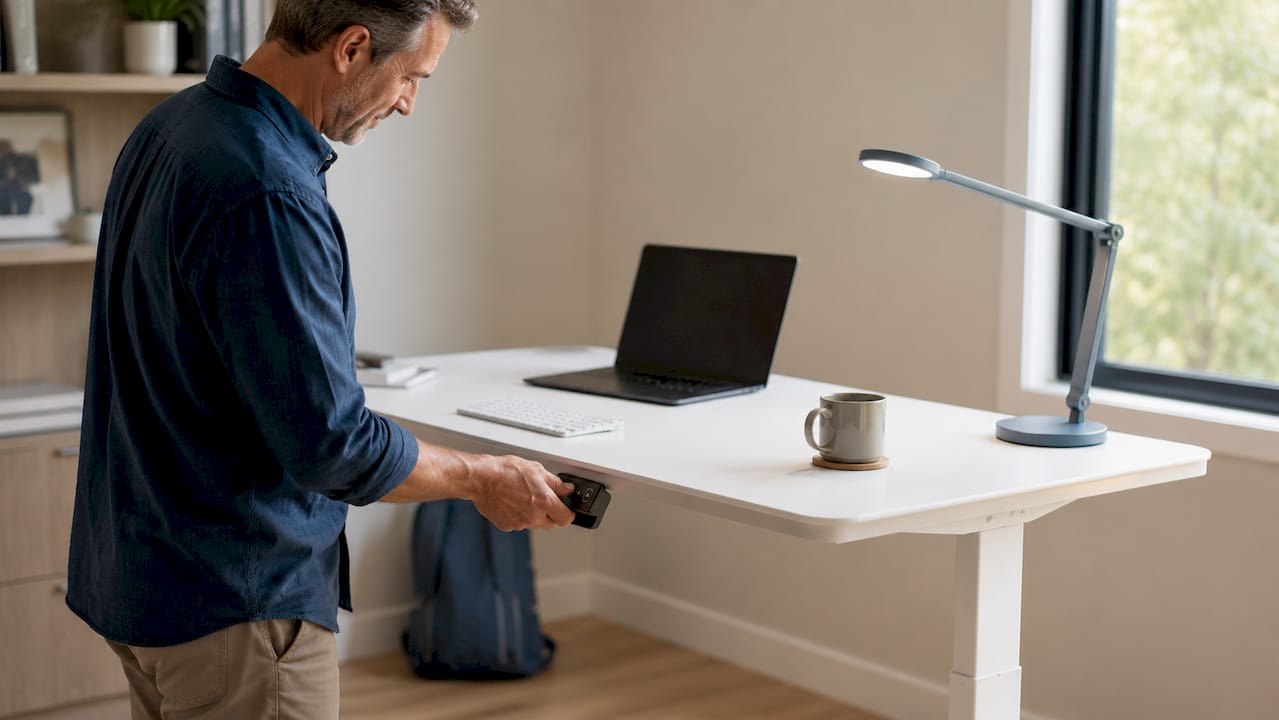
Scandinavian design and ergonomics share the same starting point: the human body. A desk that looks clean but forces you into a bad posture has failed at its primary job. Getting the two to work together requires deliberate choices about desk depth, monitor placement, and light direction.
Follow these steps when setting up a Scandinavian desk for daily computer work:
- Set monitor height correctly. Place the top of the screen at or slightly below eye level, with the screen roughly 20 inches from your face. This prevents neck strain and keeps your posture neutral.
- Check your desk depth. Shallow desks look elegant but create problems. Monitor stand thickness and keyboard space consume critical front-to-back desktop space, making monitor arms or shallower monitor stands necessary on slim desktops.
- Position the desk relative to natural light. Daylight should hit the work surface from the side or front, never from directly behind the monitor. That direction prevents glare on the screen while keeping the desk well lit.
- Choose the right desk size for your room. Recommended desk sizes for small rooms range from 48 to 55 inches wide and about 26 inches deep. Going larger closes the room visually and contradicts the open-space principle.
- Use a monitor arm when the desk is slim. A monitor arm removes the stand footprint entirely, freeing up depth for the keyboard and giving you full ergonomic control over screen position without adding visual bulk.
Small-space Scandinavian design relies on furniture that reduces visual weight through thin profiles, light tones, and daylight. Ergonomics fits naturally into that framework when you plan the setup before you buy the desk.
Pro Tip: Before purchasing a desk, measure the distance from your chair to where your monitor will sit. A desk that looks right in a showroom can still leave you hunching forward at home.
Comparing popular Scandinavian desk styles and materials
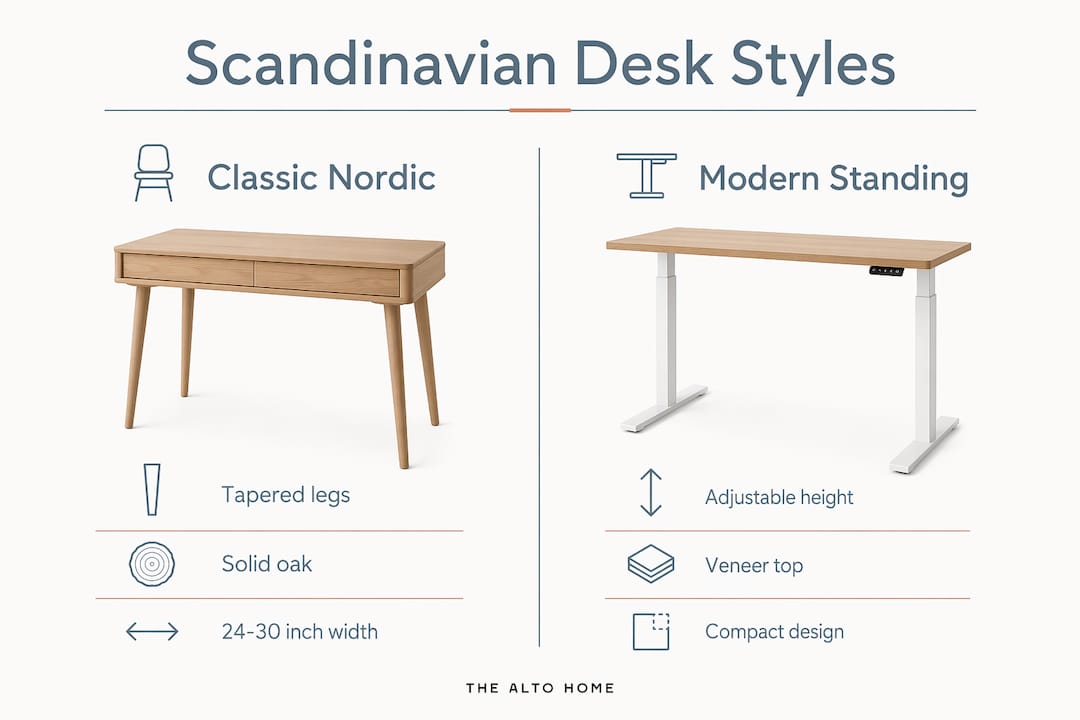
Not all Scandinavian desks are identical. The style covers a range of wood types, base configurations, and surface treatments, each with different practical and visual properties.
Wood types and their properties
Oak is the most common choice. It is dense, durable, and ages well without losing its warm tone. Birch is lighter in color and slightly softer, making it a good fit for rooms that need a brighter, more neutral palette. Ash sits between the two: strong, with a pronounced grain that adds texture without overwhelming the minimal form. All three work well with white or off-white walls and restrained color accents, which is the standard Scandinavian interior backdrop.
For a full breakdown of how these woods behave under different finishes, The Alto Home’s guide on wood desk finishes covers the practical differences in detail.
Solid wood vs. veneer
Solid wood desks are heavier, more expensive, and more repairable. A scratch on a solid oak surface can be sanded out. Veneer desks use a thin layer of real wood over an engineered core, which keeps costs lower and weight down. The IKEA LISABO desk uses ash veneer over a solid birch leg structure, measuring roughly 50 3/8 inches wide by 25 5/8 inches deep. It won the Red Dot Award for design. That combination of veneer surface and solid legs is a practical middle ground that delivers the Scandinavian look without the price of full solid wood.
Style comparison table
| Style | Base type | Typical width | Primary material | Best for |
|---|---|---|---|---|
| Classic Nordic | Tapered solid legs | 48–55 inches | Solid oak or ash | Small to medium rooms |
| Trestle frame | Slim metal or wood trestle | 55–60 inches | Oak veneer or birch | Open-plan home offices |
| Wall-mounted | Bracket or floating | 36–48 inches | Birch or ash veneer | Very small rooms |
| Standing desk | Adjustable column base | 48–60 inches | Solid wood top | Active, ergonomic setups |
The standing desk variant deserves specific attention. Adjustable height desks with solid wood tops fit the Scandinavian philosophy well because they prioritize the user’s physical needs without adding decorative excess.
How to choose and set up a Scandinavian desk in a small home office
Choosing the right desk for a compact space comes down to proportions, light, and storage discipline. The Scandinavian approach gives you a clear framework for all three.
- Size the desk to the room, not your wish list. A desk that is too wide crowds the space and eliminates the visual breathing room that makes Scandinavian interiors feel calm. Stick to the 48–55 inch width range for rooms under 120 square feet.
- Pick a base that keeps the floor visible. Thin tapered legs or wall brackets make the floor appear continuous, which reads as more space. Bulky pedestal bases close the room visually and work against the style entirely.
- Place the desk near a window, but not facing it. Positioning the desk so daylight comes from the side maximizes natural light on the work surface without creating glare on the monitor. The Alto Home’s guide on natural light in home offices explains how to work with window placement in different room configurations.
- Use closed storage to control clutter. A drawer unit or a desk with built-in drawers keeps the surface clear. An empty desk surface is not just aesthetic preference in Scandinavian design. It is a functional choice that reduces distraction.
- Choose accessories that earn their place. A single desk lamp with a warm bulb, a small tray for daily items, and a monitor arm cover most needs without crowding the surface. The role of desk accessories in focus is well documented: fewer objects on the surface means fewer interruptions to concentration.
Pro Tip: Treat your desk surface like a stage. Only objects you use every single day belong on it. Everything else goes in a drawer or off the desk entirely.
Key takeaways
Scandinavian desk design works because it treats function and beauty as the same goal, not competing priorities.
| Point | Details |
|---|---|
| Form follows function | Every design choice, from slim legs to recessed handles, serves a practical purpose. |
| Material matters | Oak, birch, and ash each offer different tones and durability; match the wood to your room’s light and color palette. |
| Ergonomics require planning | Desk depth, monitor distance, and light direction must be set up together for the design to work physically. |
| Size to the room | Desks between 48 and 55 inches wide preserve visual openness in small home offices. |
| Closed storage is non-negotiable | Drawers and hidden storage keep surfaces clear, which is both an aesthetic and a productivity principle. |
Why Scandinavian design still wins in the modern home office
I have spent years looking at home office setups, and the most common mistake I see is treating Scandinavian design as a visual style rather than a working system. People buy the pale oak desk, the white walls, the minimal lamp. Then they pile a monitor, two external drives, a charging station, and a coffee mug on the surface and wonder why the room does not feel calm. The aesthetic did not fail them. They skipped the system.
The second mistake is ignoring ergonomics because the desk looks right. A slim 24-inch-deep desk can look perfect in a photo and wreck your posture in a week. Desk depth and monitor stand footprint affect monitor distance and keyboard reach significantly. That is not a detail you can style your way around.
What I find genuinely interesting about Scandinavian furniture design is how well it adapts to technology-heavy setups when you use the right tools. A monitor arm replaces the stand, freeing up depth. A cable management tray keeps wires off the surface. A single warm lamp handles ambient light. Suddenly the minimal desk works for a full workday, not just a photoshoot.
The tradition is not fragile. It is actually well suited to modern demands, as long as you respect both halves of the equation: the look and the function.
— Kevin O’Gara
Scandinavian-inspired desks worth considering from The Alto Home
The Alto Home builds desks that take the Scandinavian principle seriously: natural wood, clean form, and ergonomic function in one piece of furniture.
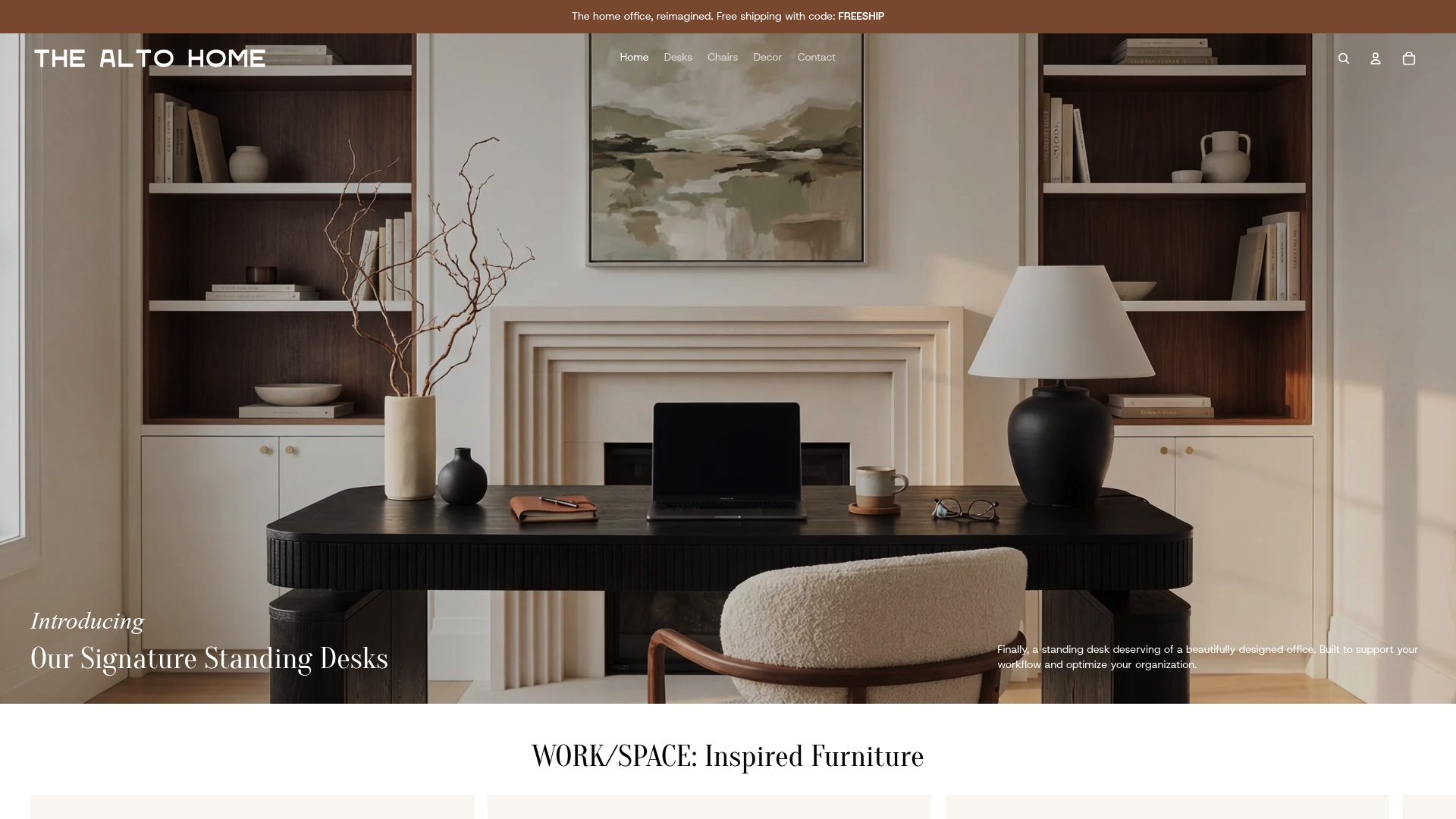
The Greenwich Rotating Wood Standing Desk is a strong example. It pairs a solid wood top with an adjustable height base, giving you the warm material palette of Nordic design alongside the physical benefits of a sit-stand setup. The Gramercy Fluted Wood Standing Desk takes a similar approach with a more textured surface detail that adds character without breaking the minimal form. Both desks fit the framework this article describes: natural materials, functional design, and a form that works as hard as it looks. The Alto Home’s full range of Scandinavian-inspired office furniture covers desks, chairs, and accessories for home offices of every size.
FAQ
What defines Scandinavian desk design?
Scandinavian desk design is defined by minimalism, clean lines, and natural materials like oak, birch, and ash. Function drives every design decision, with no decorative elements added for their own sake.
What wood is most common in Scandinavian desks?
Oak is the most widely used wood in Scandinavian desk styles. Birch and ash are also standard choices, each offering a slightly different tone and grain suited to different room palettes.
How deep should a Scandinavian desk be for computer work?
A desk depth of around 26 inches is the standard recommendation for small home offices. Shallower desks can compromise monitor distance and keyboard placement, so a monitor arm is a practical fix on slimmer surfaces.
Is a standing desk compatible with Scandinavian design?
Yes. A standing desk with a solid wood top fits the Scandinavian philosophy directly, prioritizing the user’s physical needs without adding visual excess. Adjustable height desks with natural wood surfaces are a natural extension of Nordic functionalism.
How do I keep a Scandinavian desk looking minimal with a full tech setup?
Use a monitor arm to remove the stand footprint, route cables through a tray or clip system, and keep only daily-use items on the surface. Closed drawers handle everything else.
