

A dual purpose home office is defined as a single room that fully supports focused work and a second function, most often a guest bedroom, living space, or creative studio, without either use compromising the other. The challenge is not finding enough square footage. The real challenge is designing intentional zones so your brain knows when to work and when to rest. Done right, a multifunctional home office delivers both productivity and style in the same four walls. This article covers the furniture, layout, lighting, and storage strategies that make it work.
How do you design a home office for dual purpose rooms?
Successful flex room design begins with one dominant use and layers the secondary function around it. If the room is primarily a home office that occasionally hosts guests, the desk and work zone take priority. The guest bed folds away or converts. If the room is primarily a guest bedroom, the workspace tucks into a corner or behind cabinet doors.
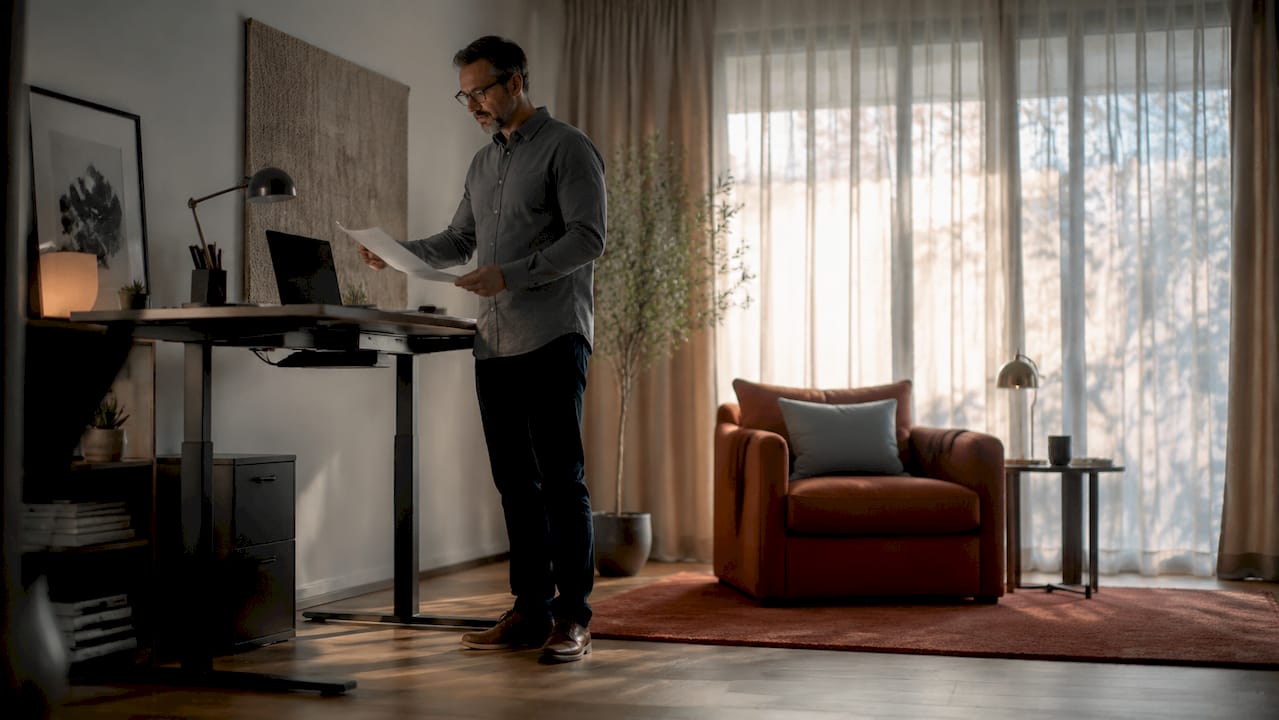
The industry term for this approach is “flex room design.” You will also hear “multifunctional workspace design” and “dual purpose room planning.” All three describe the same principle: every element earns its place by serving at least one zone without disrupting the other.
Three named entities define the best practice here. Worknest Studio, ArchitectGPT, and Urbanhearthhomes all confirm that intentional design over improvised multitasking is the top trend in 2026 renovations. Rooms that look planned, not patched together, are the ones that actually function well day to day.
What furniture choices best support dual purpose home offices?
The right furniture does the heavy lifting in any space-saving home office. These are the four categories worth knowing before you buy anything.
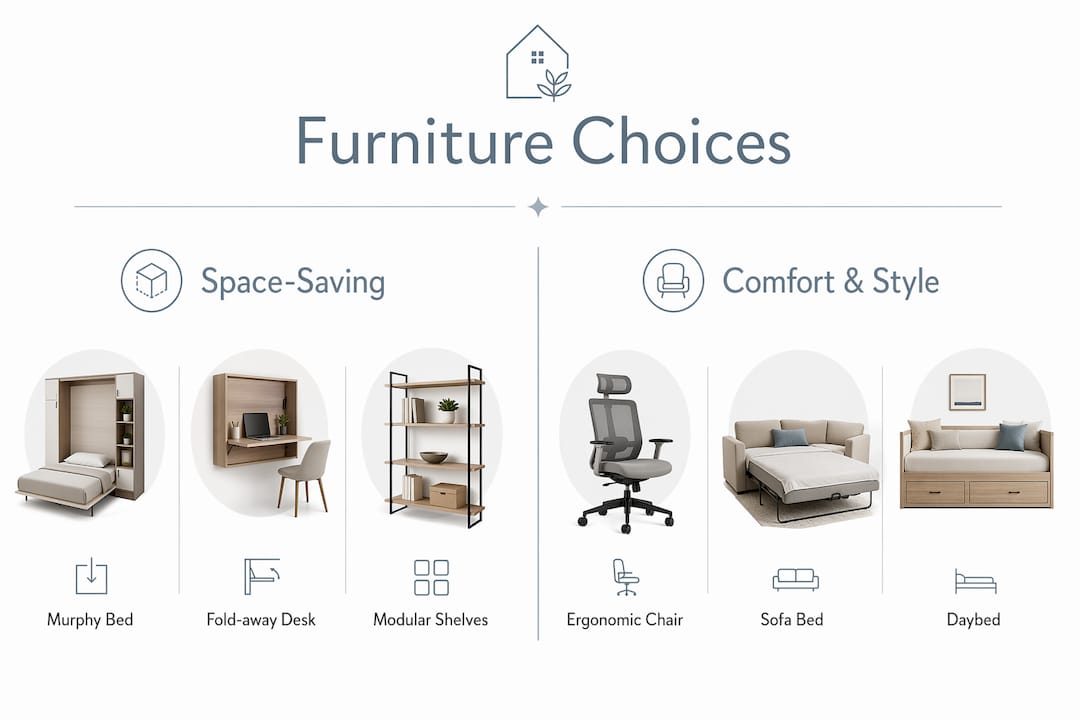
Murphy beds are the most space-efficient guest sleeping solution available. Professional-grade Murphy beds cost between $1,500 and $3,500 before installation. That price range reflects real quality differences in hardware and finish. Murphy bed installation requires wall-stud anchoring, a minimum ceiling height of 84.3 inches, and careful planning for the full open footprint of 88 inches or more. Measure before you order.
Fold-away and convertible desks are the second major category. The Transformer Table system converts from a compact two-person desk to a full dining table for six in seconds, with height adjustment from 25 to 31.5 inches. That range covers seated work, standing work, and dining in one piece of furniture.
Sofa beds and daybeds work well when the secondary function is a living room or reading nook. They keep the room feeling residential during work hours without the visual weight of a full bed frame.
Ergonomic chairs that look good matter more in dual purpose rooms than in dedicated offices. A chair like the Bryson Auburn Velvet reads as living room furniture while still supporting long work sessions. That visual flexibility is exactly what a multifunctional room needs.
| Furniture type | Best for | Key consideration |
|---|---|---|
| Murphy bed | Office + guest room | Requires 84.3 in. ceiling, wall anchoring |
| Fold-away desk | Office + dining or living | Check height range for seated and standing use |
| Sofa bed or daybed | Office + lounge | Lower visual weight than a full bed |
| Ergonomic chair | All dual purpose setups | Choose a style that reads as decor, not just office gear |
Pro Tip: Prioritize lightweight or modular pieces. A 60-pound desk you can reposition beats a 200-pound built-in that locks your layout in place forever.
How to layout and zone a dual purpose home office for productivity
Zoning is the single most important design decision in a multifunctional workspace. Visual and behavioral boundaries such as facing desks away from beds reduce cognitive overlap and improve both productivity and sleep quality more effectively than physical partitions like walls or curtains.
The desk placement rule is simple: never position your desk so that the bed is in your direct line of sight while working. The reverse also applies. A guest or partner should not see your monitor and work clutter from the bed. These two sightlines, when they cross, create the mental fatigue that makes dual purpose rooms feel exhausting rather than efficient.
Use these zoning tools to create clear separation without building walls:
- Area rugs: Place one rug under the desk and chair to anchor the work zone. Use a different rug or no rug under the bed area. The floor treatment alone signals a zone change.
- Shelving units: Open or closed shelving placed perpendicular to a wall acts as a soft room divider without blocking light or air.
- Color and texture: Keep walls neutral. Use accent colors in accessories, cushions, and desk objects to differentiate zones visually.
- Furniture orientation: Angle the desk toward a window or wall rather than toward the center of the room. This creates a psychological “head down” signal for work time.
Visual zoning strategies like rugs and furniture placement outperform physical dividers for maintaining room flow and mental clarity. Physical dividers often make small rooms feel cramped. Soft zoning keeps the space open while still doing the cognitive work.
Pro Tip: Adopt an end-of-day reset routine. Clear your desk surface, close your laptop, and push in your chair before you leave the room. This physical act signals your brain that work mode is over.
What lighting strategies enhance function and mood in multifunctional home offices?
Lighting is the most overlooked element in flexible room design but the most powerful tool for separating functions within a shared space. A single overhead fixture cannot serve both a focused work session and a relaxed evening. You need at least three light sources in a dual purpose room.
The layered lighting framework works like this:
- Task lighting: A desk lamp with a cool, high-intensity LED (5,000K color temperature) placed directly at the work surface. This light supports focus and reduces eye strain during work hours.
- Ambient lighting: Warm, low-intensity overhead or floor lamps (2,700K–3,000K) that fill the room softly for rest, reading, or hosting guests.
- Accent lighting: Small directional lights on shelves or behind furniture that add depth and make the room feel designed rather than functional.
The contrast between cool task light and warm ambient light is what does the mental work. When you switch from the desk lamp to the warm floor lamp, your nervous system reads the change as a shift in context. Smart bulbs from brands like Philips Hue or LIFX let you program scenes so the transition happens with one tap.
Avoid relying on a single ceiling fixture with a dimmer as your only solution. Dimming a cool overhead light just gives you a dim cool room, not a warm restful one. Separate switches for separate zones are worth the small electrical investment.
Pro Tip: Change your lighting color temperature as part of your end-of-day reset. Switching from cool task light to warm ambient light is one of the fastest ways to mentally exit work mode.
How to manage storage and clutter for efficient dual purpose room transitions
Clutter is the primary antagonist to multifunctional room utility. Managing it with hidden storage improves both productivity and mood more than upgrading to expensive furniture. A $300 desk in a tidy room outperforms a $2,000 desk surrounded by visible chaos.
The storage hierarchy for dual purpose rooms looks like this:
- Built-in cabinets and closed shelving: The highest-value storage investment. Closed doors hide work materials completely when the room shifts to guest mode.
- Murphy bed shelving units: Many Murphy bed systems include integrated shelves and a fold-out desk. The Orion Full Murphy Bed from Wholesale Furniture Brokers Canada combines all three in one wall unit.
- Desk organizers and drawer systems: Desk organizer sets keep daily work items contained and off the surface. A clear desk reads as a neutral room, not an office.
- Decorative baskets and boxes: Use these for items you access daily but do not want visible. Place them on lower shelves where they read as decor from across the room.
| Storage type | Best use | Visibility when closed |
|---|---|---|
| Built-in cabinets | Files, equipment, supplies | Zero |
| Murphy bed shelving | Books, decor, small items | Low |
| Desk drawers | Daily work tools | Zero |
| Decorative baskets | Cables, chargers, small items | Low (reads as decor) |
Cable management deserves its own mention. Visible cables are the fastest way to make a room look like a home office even when you want it to look like a guest room. Use cable clips, cable boxes, or a desk with a built-in power outlet like the Bowery Lift Top Desk from Thealtohome to keep wiring out of sight.
Pro Tip: Keep only three items visible on your desk surface: your monitor or laptop, one plant or decorative object, and your lamp. Everything else goes in a drawer or basket.
What common challenges arise in dual purpose home office design?
The most common failure in multifunctional workspace design is not a furniture problem. It is a zoning problem that shows up as a furniture problem. Readers often report that the room “never feels like either thing.” That feeling comes from overlapping visual cues, a desk facing the bed, visible bedding during work hours, or work materials left out during rest time.
“When the desk faces the bed, the brain receives competing signals simultaneously. Neither work nor rest wins. Both suffer.” — Worknest Studio
Technical installation challenges are the second most common issue. Murphy beds require precise wall anchoring and clearance planning that many DIY installations skip. A bed that does not fold smoothly or a desk that wobbles under a monitor destroys the functionality of the whole setup. Budget for professional installation on fold-away furniture.
Noise management is underrated. A desk mat reduces keyboard and mouse noise. Soft furnishings like curtains, rugs, and upholstered chairs absorb sound and make the room feel calmer for both work and rest. Quiet mechanical keyboards and wireless peripherals remove the last obvious office signals when guests arrive.
Daily end-of-day reset routines that change the physical and sensory environment, clearing surfaces, switching lighting, and folding away work items, improve cognitive separation between work and rest more than any single furniture purchase. The room does not transform itself. You have to build the habit.
Key takeaways
A dual purpose home office works when zoning, furniture, lighting, and storage each serve both functions without visual or cognitive conflict.
| Point | Details |
|---|---|
| Zone first, furnish second | Establish dominant and secondary uses before selecting any furniture. |
| Desk placement is critical | Never position the desk so the bed is in your direct line of sight while working. |
| Lighting does the mental work | Use cool task light for work and warm ambient light for rest to signal mode changes. |
| Hidden storage beats expensive furniture | Closed cabinets and desk organizers allow fast resets between work and guest modes. |
| Daily reset routines matter | Clearing surfaces and switching lighting at day’s end separates work from rest cognitively. |
Why I think most dual purpose rooms fail before the first piece of furniture arrives
Most people approach a dual purpose room as a space problem. They measure square footage, browse Murphy beds, and start ordering. The room fails not because of the furniture but because no one decided which function was primary. Without that decision, every purchase is a compromise that serves neither use well.
I have seen beautifully furnished rooms that felt exhausting to work in because the desk faced the bed and the lighting never changed. I have also seen modest rooms with a $400 fold-away desk, a single warm floor lamp, and a closed storage cabinet that worked perfectly because the owner made intentional choices and built a daily reset habit.
The furniture matters less than the framework. A well-chosen standing desk in a poorly zoned room is still a poorly zoned room. Get the zones right first. Then invest in pieces that serve both functions without looking like they are trying to.
The one thing I would tell anyone starting this process: treat the room as dynamic. Your work needs will change. Your guest frequency will change. Design with modular, adjustable pieces so the room can evolve without a full renovation. The best dual purpose rooms I have seen are the ones their owners kept refining over time, not the ones that were perfect on day one.
— Kevin
Find the right desk for your dual purpose room at Thealtohome
If you are ready to move from planning to buying, the desk is the piece that sets the tone for the entire workspace zone.
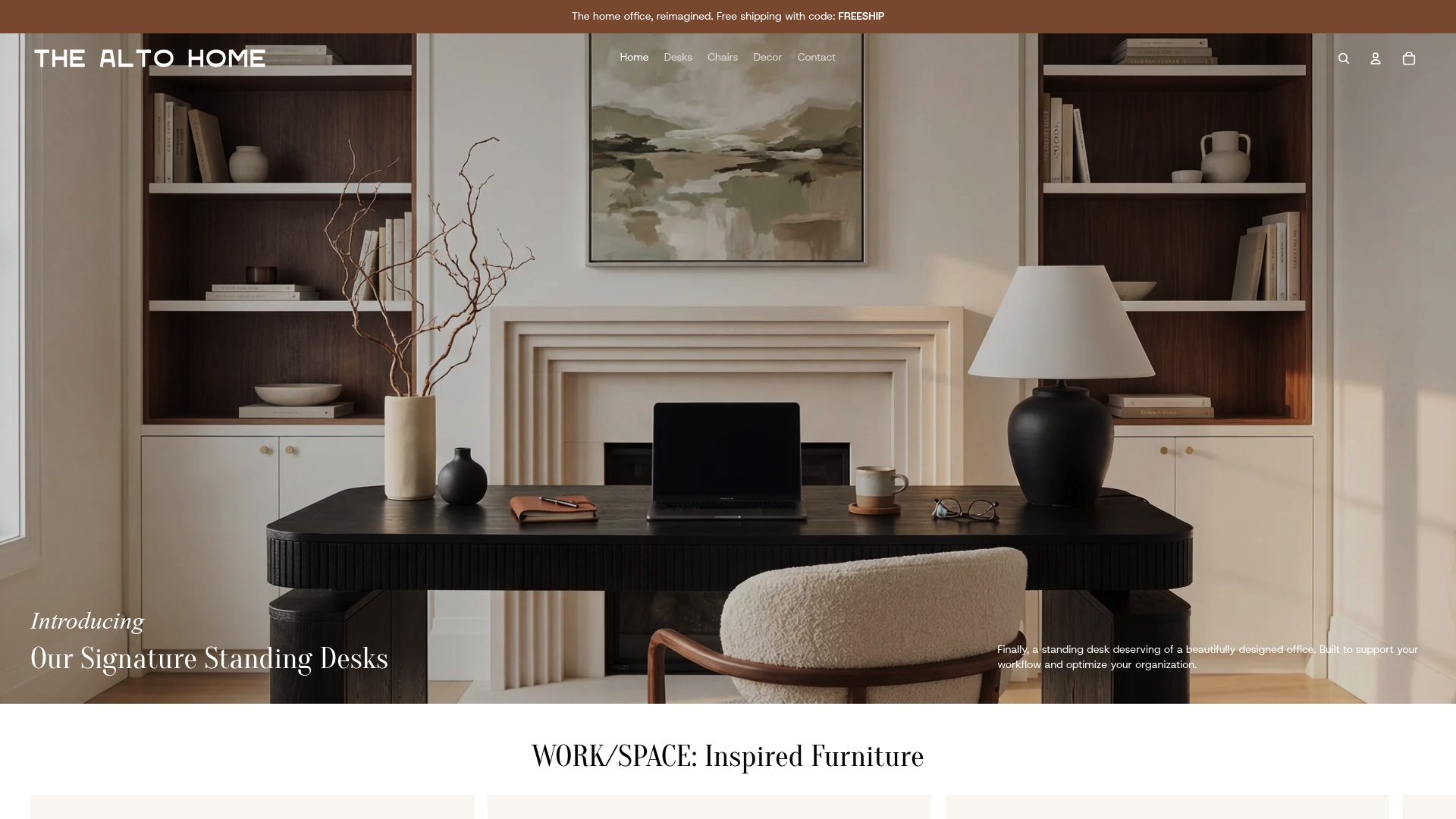
Thealtohome’s adjustable height standing desks are built for exactly this kind of room. The Gramercy Fluted Wood Standing Desk and the Tribeca Mid-Century Standing Desk both adjust electrically, blend into residential interiors without looking like office equipment, and hold their own as design pieces when the room shifts to guest mode. Pair either with a chair from Thealtohome’s modern office chairs collection and you have a work zone that earns its place in any dual purpose room.
FAQ
What is the most important rule for dual purpose room design?
Establish one dominant function before selecting furniture. Every other decision, desk placement, lighting, and storage, follows from that single choice.
How do I keep a home office from feeling like an office in a guest room?
Face the desk away from the bed, use closed storage to hide work materials, and switch to warm ambient lighting when the room is in guest mode. These three changes remove the visual cues that signal “office.”
Do Murphy beds work well in home offices?
Yes, when installed correctly. Murphy beds require wall-stud anchoring and a minimum ceiling height of 84.3 inches. Budget $1,500–$3,500 for the unit plus professional installation costs.
What type of desk works best in a dual purpose room?
An adjustable height desk with a compact footprint and clean design works best. It supports both seated and standing work, and its residential aesthetic does not clash with guest room decor.
How do I mentally separate work from rest in a shared room?
End-of-day reset routines that include clearing your desk surface and switching from cool task lighting to warm ambient lighting are the most effective method. The physical and sensory change signals your brain to exit work mode.
