

Aesthetic desk accessories in 2026 are defined as workspace objects that combine visual design with daily functional use, replacing decorative clutter with purposeful, tactile pieces. An organized, curated workspace can reduce task completion time by up to 30% by cutting visual noise and tangled cables. That number reflects a real shift in how professionals think about their desks. The leading design standard driving this shift is Japandi, a blend of Japanese minimalism and Scandinavian warmth that favors organic shapes, warm neutrals, and tactile materials. The Alto Home’s standing desk collections, including the Gramercy and Tribeca series, sit squarely inside this movement, pairing light wood finishes with ergonomic function.
1. What are the best aesthetic desk accessories for 2026?
The top accessories for 2026 share three traits: they serve a daily function, they use quality materials, and they fit a warm minimalist color palette. Cream, oat, mushroom, and terracotta tones dominate the Japandi aesthetic, which is the most influential desk design trend this year. Accessories built around these tones age well and photograph cleanly, which matters for remote workers on video calls.
The categories worth your attention in 2026 are:
- Centralized charging hubs in milled aluminum or matte silicone
- Vertical device docks that free up flat surface area
- Leather or cork desk pads in neutral tones
- Low-maintenance plants like pothos, snake plants, or ZZ plants
- Adjustable LED lighting bars with warm color temperature control
- Minimalist pen holders in ceramic or wood
- Monitor arms that lift screens off the surface entirely
Each category solves a specific problem. Together, they create a desk that looks considered rather than assembled by accident.
2. Minimalist tech accessories for a clutter-free setup

The “one-cable desk” concept is the defining tech goal for 2026. The idea is simple: one cable runs from your desk to the wall, and everything else connects through a central hub. High-tech households manage over 12 connected devices, which makes a single-cable power and data solution a practical necessity, not a luxury.
Milled aluminum hubs with USB-C passthrough and magnetic adapters handle most device combinations without adding visual weight. Silicone cable clips and under-desk cable trays keep the remaining wires invisible. The material choice matters: aluminum and silicone hold up over years of daily use, while plastic hubs crack, yellow, and feel cheap within months.
Vertical docking for laptops and tablets saves up to 80% of desk surface area and keeps screens visible without requiring you to move them constantly. Weighted aluminum bases add stability and a premium feel that plastic stands cannot match. A vertical dock paired with a single external monitor arm is the most space-efficient setup available in 2026.
Pro Tip: Choose a modular charging hub system over a fixed-port plastic unit. Modular systems let you add or swap connectors as your device lineup changes, so you never need to replace the whole hub.
3. How biophilic design boosts your desk setup
Biophilic design is the practice of bringing natural elements into built environments to support human wellbeing. Applied to a desk, it means plants, wood grain, cork, and river stones rather than synthetic surfaces and hard plastic. Biophilic elements raise productivity by up to 15% compared to plant-free workspaces. That gain comes from reduced stress and improved air quality, both of which affect sustained focus.
The best plants for a desk in 2026 are:
- Pothos: Trails naturally, tolerates low light, and needs watering only once a week
- Snake plant: Upright silhouette, air-purifying, nearly impossible to kill
- ZZ plant: Glossy leaves, drought-tolerant, thrives under artificial light
Beyond plants, natural materials add texture without adding clutter. A cork mouse pad absorbs sound and feels warm under your wrist. A small piece of driftwood or a smooth river stone on the corner of your desk adds organic contrast to a screen-heavy surface. These details align directly with the Japandi principle of tactile warmth.
Pro Tip: Place your plant at the far corner of your desk, not directly beside your keyboard. That position keeps the green in your peripheral vision, which delivers the mood benefit without interrupting your primary work zone.
4. Furniture and lighting that support ergonomics and style
Height-adjustable standing desks are the baseline expectation for best desk setups in 2026, not a premium upgrade. The standard features now include quiet motors, memory height presets, stability at full extension, and integrated cable management channels. Surface material matters as much as mechanics.
- Light oak or walnut surfaces photograph better and support the warm minimalist look. Dark espresso or black wood tones appear harsh under artificial light and clash with Japandi palettes.
- Ergonomic chairs in neutral tones with lumbar support and breathable fabric keep the visual palette clean while protecting your back during long sessions.
- Dual monitor arms mount both screens at eye level and clear the entire desk surface below them, which is the single biggest space gain available without buying a larger desk.
- Desk-mounted organizers in powder-coated steel or wood hold documents and peripherals without sitting on the work surface.
- Adjustable LED lighting bars with warm color temperature control reduce eye fatigue. Adjustable color temperature lighting supports circadian rhythms and visual comfort across a full workday.
The Alto Home’s ergonomic home office setup guide covers how to combine these elements into a cohesive workspace that performs as well as it looks.
5. How to organize and style your desk for daily use
The strongest 2026 desk strategy centers on “presence.” Presence means a curated collection of high-quality, durable objects you interact with every single day. The goal is not decoration. It is building a surface where every object earns its place through daily use and tactile quality.
Desk zoning is the practical method for achieving this. Zoning divides your desk into a primary focus area and a secondary creative or inspiration zone. Your monitor, keyboard, and mouse anchor the focus zone. A small plant, a notebook, and one personal object occupy the creative zone. Nothing else belongs on the surface.
The accessories that work best inside this system are:
- Full-surface leather desk pads in camel, slate, or cream, which unify the surface and protect the wood finish
- Ceramic or wood pen holders that hold only what you use daily, not a full office supply store
- A single analog clock in brushed brass or matte black, which adds warmth and reduces phone-checking
- A small tray or catchall in natural wood or woven rattan for keys, earbuds, and daily carry items
Color coordination follows the Japandi palette. Warm neutrals, one muted accent color, and natural wood grain cover the full range. Avoid mixing more than three materials on a single surface. The discipline of restraint is what separates a desk that looks styled from one that looks busy.
For a deeper look at how accessories affect your output, The Alto Home’s guide on desk accessories and focus breaks down the psychology behind intentional object selection.
Pro Tip: Do a weekly “desk audit.” Remove anything you did not touch during the week. After four weeks, you will have a precise picture of what actually belongs on your surface.
Key takeaways
The most effective desk setup in 2026 combines a height-adjustable surface in light wood, a curated set of tactile accessories, biophilic elements, and a single-cable tech system built around modular aluminum hardware.
| Point | Details |
|---|---|
| Presence over decoration | Choose only objects you use daily; quality and tactile feel matter more than quantity. |
| One-cable tech system | A central aluminum hub with vertical docking cuts clutter and saves up to 80% of surface area. |
| Biophilic elements work | Plants and natural materials raise productivity by up to 15% and reduce daily stress. |
| Japandi palette as your guide | Warm neutrals, organic shapes, and light wood tones create a setup that ages well and photographs cleanly. |
| Zoning improves focus | Separating your focus area from your creative zone reduces cognitive load and keeps the surface organized. |
Why I stopped buying trendy desk items and started buying timeless ones
I spent two years cycling through trendy desk decor. Acrylic organizers, neon cable sleeves, novelty desk mats printed with cityscapes. Every few months, the setup looked dated, and I replaced it. The cost added up. The clutter got worse, not better.
The shift happened when I started treating my desk the way I treat a good wardrobe. A few well-made pieces in neutral materials outlast a drawer full of fast-fashion equivalents. A leather desk pad in camel brown looks as good in year three as it did on day one. A ceramic pen holder in matte white never goes out of style. A light oak standing desk from The Alto Home fits every palette I have tried around it.
The biophilic piece surprised me most. I added a snake plant to my desk expecting it to be a visual prop. Within two weeks, I noticed I was reaching for my phone less during deep work sessions. The plant gave my eyes somewhere to rest that was not a screen.
My honest advice: spend more on three or four foundational pieces and stop buying accessories that require a trend to justify them. A height-adjustable desk, a quality desk pad, one plant, and a proper lighting bar will serve you better than fifteen gadgets that each solve a problem you did not have before you bought them. The modern desk design principles that hold up in 2026 are the same ones that held up in 2022: restraint, quality, and function first.
— Kevin O’Gara
The Alto Home’s desks for your 2026 setup
The foundation of any well-styled desk is the surface itself. The Alto Home builds standing desks that fit the Japandi and warm minimalist standards that define the best desk setups in 2026.
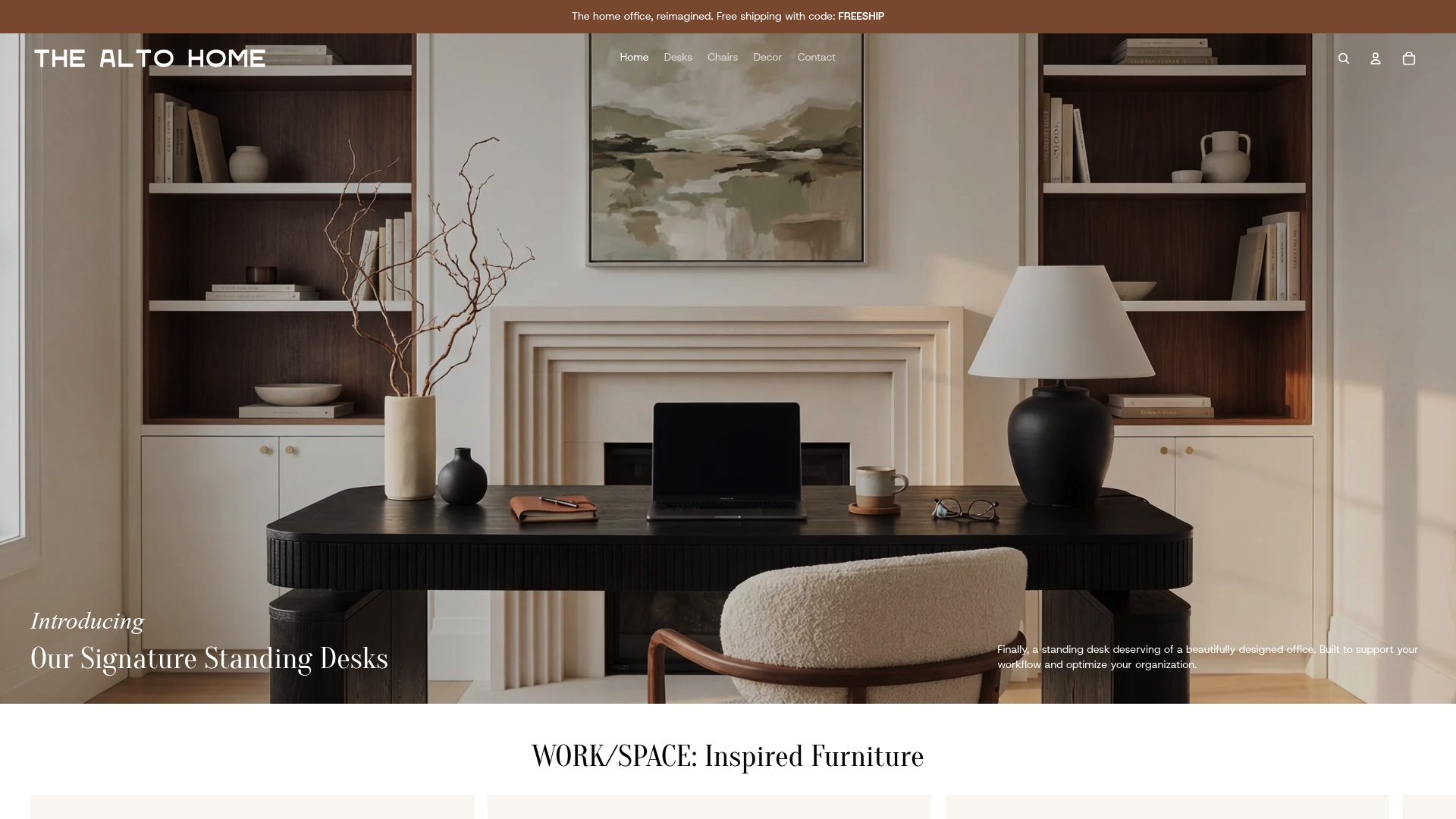
The Greenwich Rotating Wood Standing Desk pairs a warm wood top with height-adjustable mechanics, quiet motor operation, and clean cable management built into the frame. The Felix Upholstered Desk Chair with Wicker Caning adds natural texture and ergonomic support without breaking the neutral palette. Both pieces are built for daily use over years, not seasons. The full collection of adjustable standing desks at The Alto Home covers a range of wood finishes and sizes to match the specific dimensions and tones of your space.
FAQ
What makes a desk accessory “aesthetic” in 2026?
An aesthetic desk accessory in 2026 serves a daily function while using quality materials and fitting a warm, minimalist color palette. Japandi-influenced pieces in light wood, ceramic, leather, and matte metal are the current standard.
How do I style my desk without spending a lot?
Start with a full-surface desk pad in a neutral tone, add one low-maintenance plant, and consolidate your cables with a single central hub. These three changes deliver the biggest visual improvement at the lowest cost.
What is the Japandi desk style?
Japandi style blends Japanese minimalism with Scandinavian warmth, using organic shapes, tactile textures, and a palette of creams, oats, mushroom, and terracotta. It is the most influential desk design trend in 2026.
Does a standing desk actually improve productivity?
Height-adjustable standing desks support ergonomic comfort by reducing prolonged sitting, which lowers physical fatigue during long work sessions. Combined with an organized surface, the productivity gains from reduced discomfort and visual clutter are well documented.
How many accessories should I keep on my desk?
The 2026 “presence” principle recommends keeping only objects you touch every day. For most people, that means a monitor or laptop, a keyboard, a desk pad, one plant, a pen holder, and a lighting source. Everything else belongs in a drawer or off the desk entirely.
