

Luxury office furniture is defined as professionally certified pieces that combine authentic premium materials, commercial-grade durability, ergonomic comfort, and integrated technology for elevated work environments. The term “contract-grade furniture” is the recognized industry standard for this category. Understanding what separates genuine luxury from expensive-looking imitations saves you from costly procurement mistakes and ensures your workspace performs as well as it looks. The criteria are specific, measurable, and grounded in standards like ANSI/BIFMA that most buyers never think to ask about.
What is considered luxury office furniture?
Luxury office furniture meets three non-negotiable criteria: authentic materials, certified durability, and ergonomic function. Price alone does not qualify a piece. A $2,000 desk built from veneered particleboard with residential-grade hardware is not luxury furniture. A $1,200 solid walnut desk with BIFMA-compliant construction and smooth, corrosion-resistant hardware is.
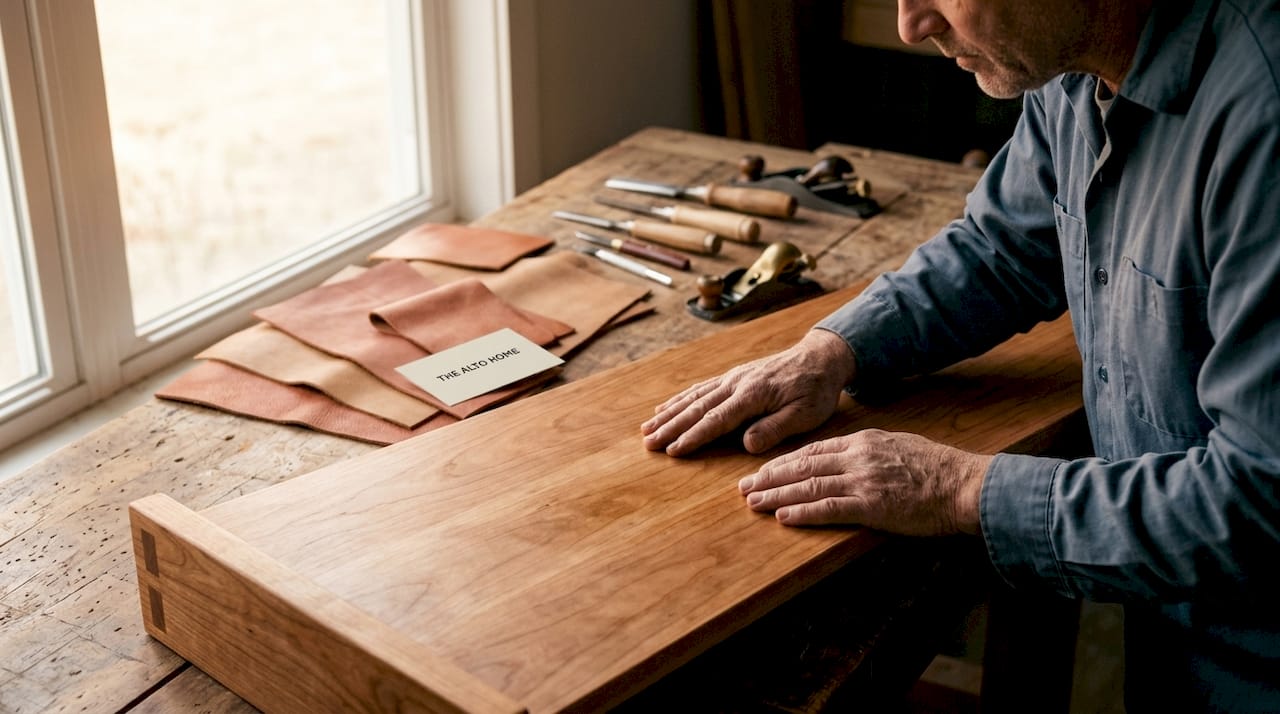
Material honesty is the first pillar. Walnut is genuine walnut, not a printed film. Leather is full-grain or top-grain, not bonded. Steel frames carry a documented gauge and finish specification. This transparency in materials is what separates contract-grade pieces from residential-grade lookalikes dressed up with luxury branding.
The second pillar is certified performance. BIFMA standards are the primary gatekeepers for professional-grade durability. ANSI/BIFMA X5.1 governs seating and ANSI/BIFMA X5.5 governs desks. Furniture that passes these tests is built for heavy daily use over a decade or more. Furniture that skips certification is built for appearance, not endurance.
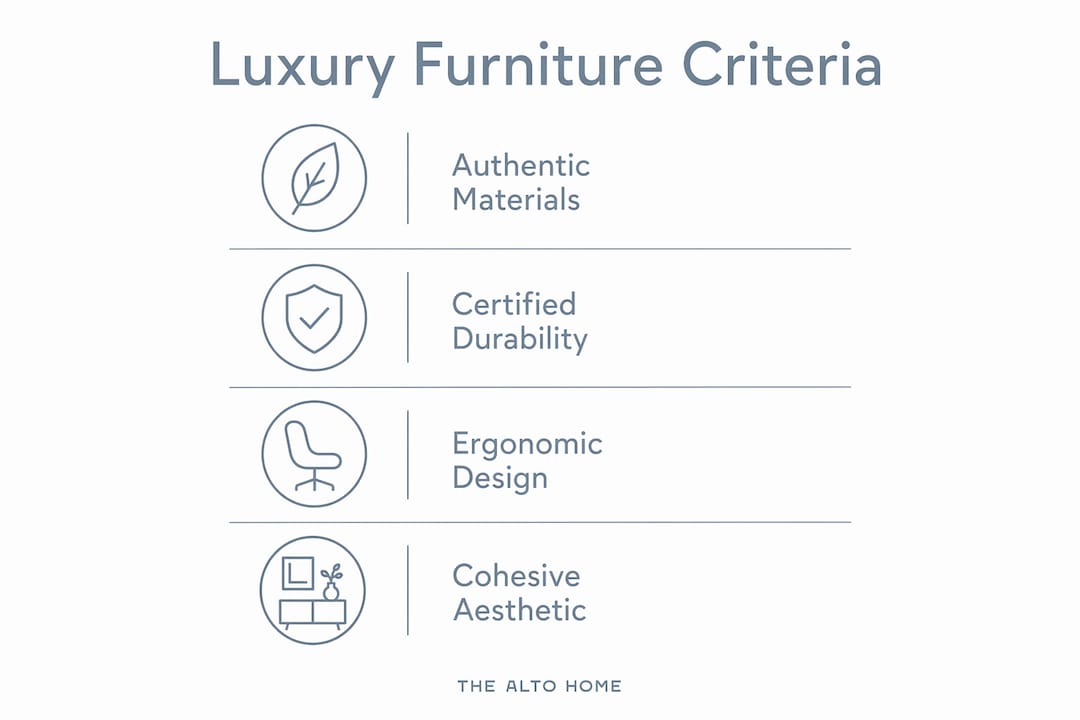
The third pillar is ergonomic design. Luxury office furniture supports the body during prolonged work sessions. That means adjustable seat heights, lumbar support with real adjustment range, and desk surfaces at correct working heights. These features are not optional add-ons in the contract-grade category. They are baseline requirements.
What materials and craftsmanship define luxury office furniture?
The material list for genuine high-end office furniture is short and specific. Solid hardwoods like walnut, white oak, and cherry are the standard for desks and storage. These woods take finish well, resist denting, and age with character rather than deteriorating. Solid wood desks cost $500–$1,500 or more compared to $100–$400 for engineered wood surfaces. That price gap reflects real differences in lifespan and finish quality, not just branding.
For seating, premium upholstery materials include genuine leather, performance-grade woven fabrics, and commercial-grade mesh. Genuine leather develops a patina over time. Performance fabrics resist staining and abrasion under daily use. Bonded leather, by contrast, begins peeling within two to three years of regular contact.
Craftsmanship shows up in details most buyers overlook:
- Joinery quality: Mortise-and-tenon or dovetail joints in solid wood pieces indicate hand or precision machine work. Stapled or glued butt joints indicate mass production.
- Edge finishing: Solid timber edging on tabletops prevents chipping and signals that the manufacturer did not cut corners on the parts you touch most.
- Hardware: Drawer runners in luxury pieces operate silently and close with controlled resistance. Cheap runners rattle and stick within months.
- Veneer thickness: Backed veneers of 0.6mm or greater provide abrasion resistance and a consistent finish tone across multiple pieces.
- Interior finishing: The inside of drawers and cabinet backs in genuine luxury pieces carry the same finish quality as the exterior. Unfinished interiors signal cost-cutting.
Pro Tip: Run your hand along the underside of a desk surface before buying. Rough, unfinished undersides indicate the manufacturer prioritized appearance over complete craftsmanship.
The Alto Home’s luxury desk features reflect this standard. Their Gramercy and Tribeca desks use high-quality wood with distinct finishes that hold up under daily use while maintaining visual consistency across the workspace.
How do durability and certification standards separate luxury from standard furniture?
ANSI/BIFMA certification is the clearest line between contract-grade luxury furniture and residential-grade products. BIFMA compliance is the hidden standard that distinguishes certified pieces from lookalikes, with compliant furniture often lasting beyond a decade of heavy use. Residential furniture, by comparison, frequently fails within three years under office conditions.
The lifespan difference is significant. Premium luxury office furniture using solid hardwoods or high-grade steel frames typically lasts 15–25 years with proper maintenance. Standard office furniture lasts 5–8 years. That gap changes the total cost of ownership calculation entirely.
| Standard | What it covers | Minimum expectation |
|---|---|---|
| ANSI/BIFMA X5.1 | Seating structural integrity and stability | 8–10 years of commercial use |
| ANSI/BIFMA X5.5 | Desk and table load and durability | 8–10 years of commercial use |
| TSCA Title VI | Formaldehyde emissions in composite wood | Low-emission materials required |
| LEED/LEVEL | Environmental and occupant health criteria | Sustainable sourcing and low VOCs |
Sustainability certifications like LEED-friendly and LEVEL-certified designations have moved from optional to expected in the luxury category. Low formaldehyde emissions and sustainable forestry certifications reflect occupant health priorities that serious buyers now require. A piece without these credentials is not competing in the same market as certified luxury furniture.
Pro Tip: Ask vendors for third-party test reports before purchasing. Any manufacturer selling genuine contract-grade furniture can produce BIFMA test documentation on request. If they cannot, the piece is not what it claims to be.
Choosing durable office desks requires checking these certifications directly, not relying on marketing language like “commercial quality” or “professional grade” without documentation to back it up.
What ergonomic and technological features enhance luxury office furniture?
Ergonomic design in luxury office furniture goes well beyond a padded seat. The best luxury office chairs provide lumbar support with genuine adjustment range, seat depth adjustment, and armrests that move in multiple directions. These features reduce fatigue during long work sessions and support posture without requiring the user to consciously correct their position.
Adjustable desks represent the clearest intersection of ergonomics and technology in premium workplace furnishings. The key features that define luxury in this category are:
- Quiet lift mechanisms: Electric height adjustment in luxury desks operates with minimal noise. Loud or jerky motors indicate lower-grade components.
- Programmable height memory: Multiple saved height positions allow users to switch between sitting and standing without manual adjustment each time.
- Stability at full extension: A luxury standing desk does not wobble at maximum height. Structural rigidity under load is a direct indicator of frame quality.
- Integrated cable management: Channels, grommets, and routing systems built into the desk keep cables out of sight. Visible cables undermine perceived luxury regardless of material quality.
- Wireless charging surfaces: Built-in Qi charging pads eliminate desk clutter without requiring additional hardware.
- Voice-activated controls: Modern luxury furniture increasingly integrates voice-activated height adjustments and smart home compatibility, removing the need for manual panel operation.
The Alto Home’s adjustable standing desks, including the Greenwich and Tribeca series, address these criteria directly. Their height adjustment mechanisms operate quietly, and the wood construction maintains stability across the full adjustment range.
How do design trends and spatial planning shape luxury office spaces?
The defining shift in luxury office design over the past several years is the move away from ostentatious displays toward understated sophistication. Quiet luxury in office furniture means authentic materials, clean lines, and invisible technology. The goal is authority through restraint, not through size or ornamentation.
Spatial planning is where many otherwise well-chosen pieces fail. Scale and proportion matter as much as material quality. A desk that is too large for the room creates visual clutter. A chair that is too small for the desk looks accidental. Luxury is achieved when every piece relates correctly to the room dimensions and to the other pieces around it.
The project-system approach addresses this directly. Furniture specified as a project system with coordinated finishes, hardware, and ergonomic solutions projects authority and functional consistency. Mixing vendors across a single workspace risks finish inconsistency that trained eyes notice immediately.
Design elements that reinforce luxury perception include:
- Layered lighting: Ambient, task, and accent lighting work together to reduce eye strain and create depth. A single overhead fixture flattens the room and reduces the perceived quality of even excellent furniture.
- Acoustic treatments: Panels, rugs, and upholstered surfaces reduce echo and create a quieter work environment. Acoustic comfort is a luxury feature that most buyers underestimate until they experience it.
- Cohesive color palette: Wood tones, metal finishes, and upholstery colors that share a common undertone create visual unity. Clashing finishes signal a piecemeal approach.
The Alto Home’s modern office collections are built around this principle of cohesive design. Their wood finishes and hardware selections are coordinated to work together across pieces, which makes building a unified workspace straightforward rather than guesswork.
Pro Tip: Before purchasing any piece, photograph your existing space and overlay the new furniture dimensions to scale. Proportion errors are far easier to catch on paper than after delivery.
Key Takeaways
Luxury office furniture is defined by certified durability, authentic materials, ergonomic function, and cohesive design, not by price or brand recognition alone.
| Point | Details |
|---|---|
| Certification is non-negotiable | ANSI/BIFMA X5.1 and X5.5 compliance separates contract-grade luxury from residential-grade imitations. |
| Material authenticity matters | Solid hardwoods, genuine leather, and thick veneers (0.6mm or more) define real luxury construction. |
| Ergonomics are baseline, not bonus | Adjustable height, lumbar support, and quiet mechanisms are minimum requirements in the luxury category. |
| Design cohesion amplifies quality | Matching finishes, hardware, and proportions across pieces creates the perception of luxury that isolated high-quality pieces cannot achieve alone. |
| Sustainability is now expected | LEED-friendly and LEVEL certifications reflect occupant health priorities that define modern luxury standards. |
The detail most buyers miss
Most professionals shopping for high-end office furniture focus on the surface: the wood grain, the leather color, the desk profile. That focus is understandable, but it misses the criteria that actually determine whether a piece is luxury or an expensive approximation.
I have seen beautifully finished desks with drawer runners that stick after six months. I have seen leather chairs that looked exceptional in a showroom and started delaminating within a year. In every case, the buyer chose based on appearance and skipped the questions that matter: Is this BIFMA certified? What is the veneer thickness? Can you provide third-party test documentation?
The other mistake I see consistently is buying pieces in isolation. A walnut desk surrounded by mismatched storage, a chair in a different wood tone, and a monitor arm in a finish that clashes with the desk hardware. Each piece might be individually good. Together, they read as expensive clutter rather than a considered workspace.
Luxury is the sum of well-executed details. That means certifications, material honesty, ergonomic function, cable management, and spatial proportion working together. When one element is missing, the others cannot compensate. The buyers who get this right treat their workspace as a single project, not a series of individual purchases.
— Kevin O’Gara
The Alto Home’s approach to premium workplace furnishings
The Alto Home builds standing desks that meet the material and design criteria this article defines. Their pieces use solid wood construction with coordinated finishes designed to work together across a workspace.
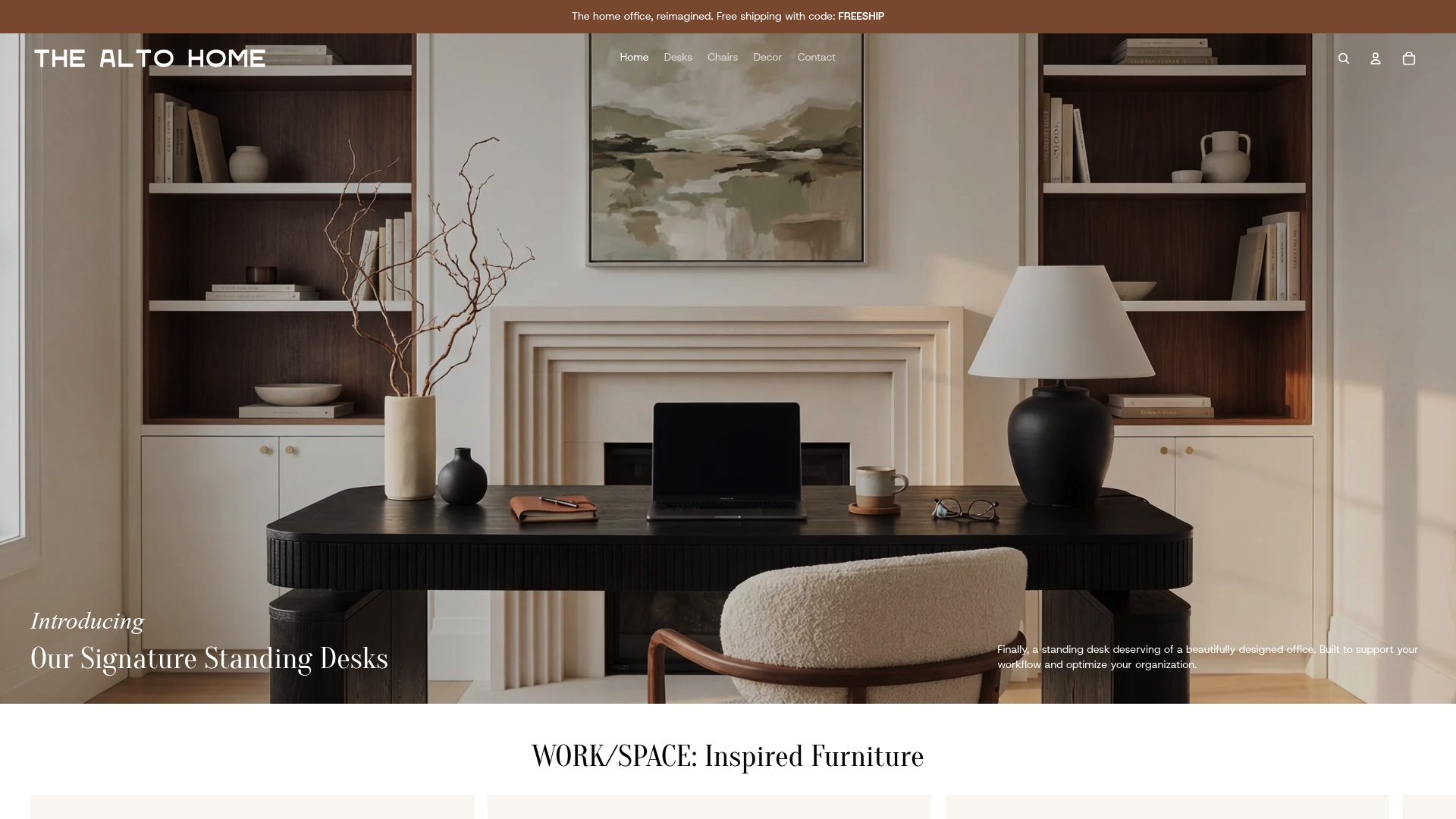
The Greenwich Rotating Wood Standing Desk combines solid wood craftsmanship with a quiet electric lift mechanism and a rotating surface that adapts to different working positions. The Felix Upholstered Desk Chair with Wicker Caning pairs quality upholstery with a design that holds its shape under daily use. Both pieces reflect the understated sophistication that defines the quiet luxury trend in professional workspaces. The full collection is available at The Alto Home.
FAQ
What certifications should luxury office furniture have?
Luxury office furniture should carry ANSI/BIFMA X5.1 certification for seating and ANSI/BIFMA X5.5 for desks. LEED-friendly and LEVEL certifications indicate low emissions and sustainable sourcing, which are now standard expectations in the contract-grade category.
How long does genuine luxury office furniture last?
Premium luxury office furniture built from solid hardwoods or high-grade steel frames typically lasts 15–25 years with proper maintenance. Standard office furniture lasts 5–8 years under the same conditions.
What wood types are used in luxury office desks?
Solid walnut, white oak, and cherry are the most common hardwoods in luxury desk options. These species take finish well, resist denting, and maintain their appearance over decades of use.
Does luxury office furniture require ergonomic features?
Ergonomic design is a baseline requirement in contract-grade luxury furniture, not an optional upgrade. The best luxury office chairs include adjustable lumbar support, seat depth control, and multi-directional armrests as standard features.
How do I verify that office furniture is genuinely luxury grade?
Request third-party BIFMA test reports from the vendor before purchasing. Any manufacturer selling genuine contract-grade furniture can provide this documentation. Visible cables, unfinished interiors, and thin veneers under 0.6mm are reliable indicators that a piece does not meet luxury standards.
